
Beyond Good Design
7 Lessons for Building a Stronger Business
TDC Members Darren and Simona from Studio Minosa share about strategy, systems, profitability and sustainable growth.
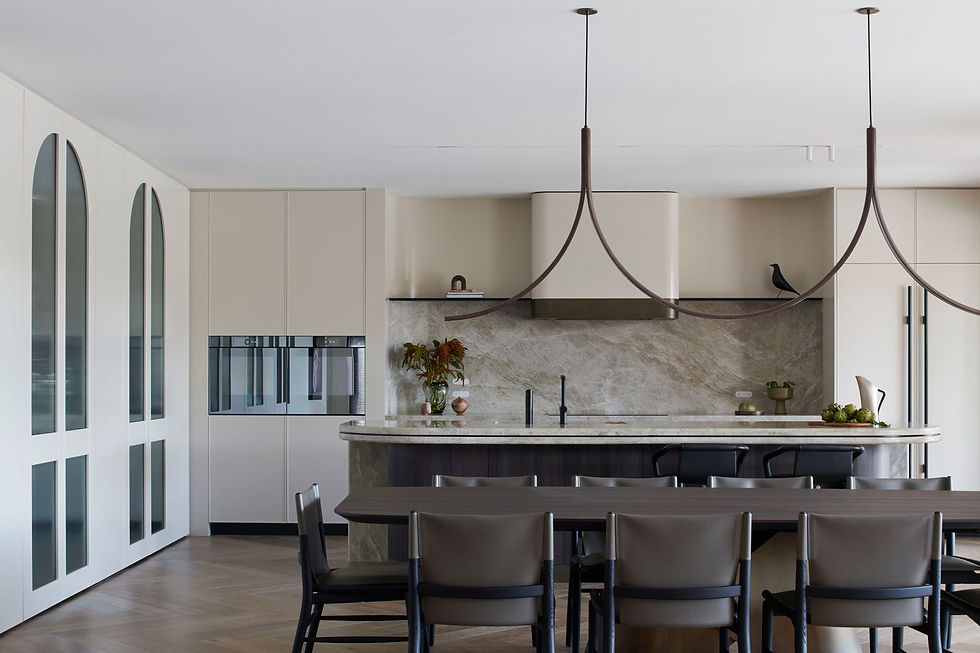
It’s easy to look at an established design studio from the outside and see the finished result: the beautiful projects, the awards, the media coverage and the polished social media presence.
What’s less visible is the work that happens behind the scenes.
A strong design business isn’t built on creativity alone. It requires structure, commercial discipline, honest analysis and a willingness to keep refining the way the studio operates.
Past TDC Coaching Program members, Darren Genner and Simona Castagna (of Studio Minosa) recently joined our 2026 Group Coaching Program members for a generous and robust conversation about what it takes to build a creatively ambitious practice that also performs well as a business.
The discussion was refreshingly open, with Darren and Simona sharing some of the challenges they’ve faced, the systems they’ve introduced and the strategic thinking that’s helped them regain momentum and strengthen their hugely successful business.
In this article, we share seven of the most valuable takeaways from our insightful discussion.
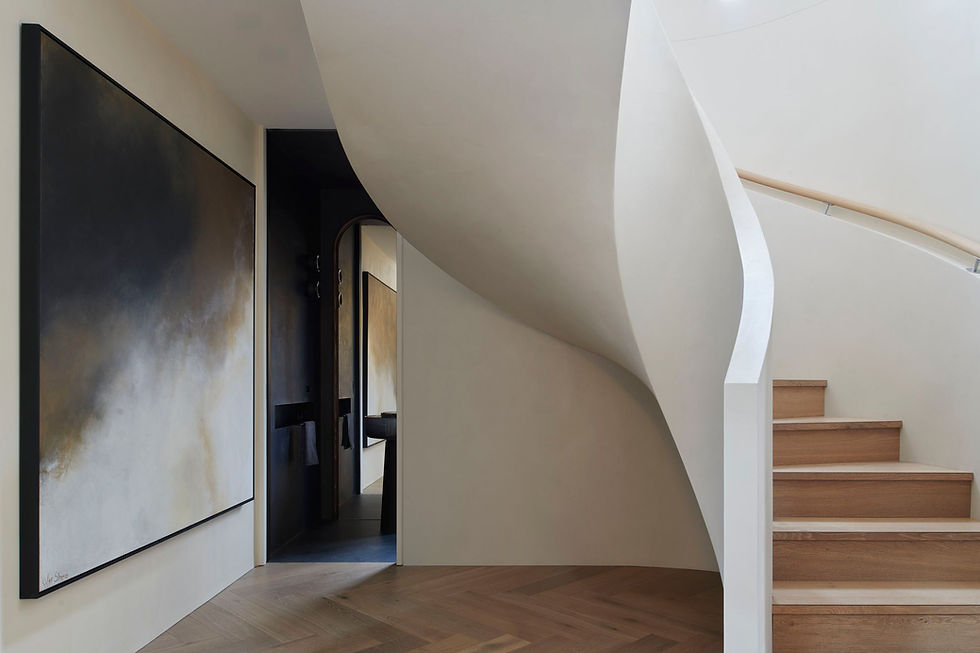
1. Reinvigorating Founder Mentality
As our business grows, it’s easy for us to become consumed by the daily demands of keeping everything moving.
We find ourselves responding to emails, managing clients, solving problems, checking documentation, supporting our team and dealing with the next urgent task. Slowly, the energy that drove us to start the business can become harder to access.
Darren and Simona shared that reinvigorating their founder mentality required stepping back from the day-to-day and reconnecting with the bigger picture.
· Why did they start the business?
· What did they want to create?
· What kind of studio are they trying to build?
· Where do they want the business to take them?
This isn’t about chasing growth for the sake of it. It’s about creating enough space to think strategically, make deliberate decisions and lead the business with renewed clarity.
The day-to-day work will always be there. The challenge is making sure it doesn’t completely replace the bigger thinking.

2. Turning Big Goals into Measurable Actions
Big goals can be energising. They give us something meaningful to work towards and encourage us to look beyond the immediate demands of the next project.
But they can also remain vague and disconnected from the daily running of the business if we don’t break them down into practical steps.
Darren and Simona shared how they use bigger, more audacious goals to create direction for Studio Minosa. Their ambitions have included purchasing a studio property, reaching a significant revenue target and developing their Design Life Better video series.
The strength of their approach isn’t simply that they think big. It’s that they translate those bigger goals into measurable actions.
They discussed working in focused 12-week periods, identifying the priorities that matter most and reviewing progress regularly. This creates a stronger connection between the long-term vision and the work that needs to happen each week.
It’s a useful reminder for all of us. A goal becomes far more powerful when we know what we need to do next, who’s responsible for it and when it needs to happen.

3. Using Data to Identify Profit Leakage and Unbilled Labour
Many of us have a general sense of which projects are running smoothly and which are becoming more difficult, but instinct doesn’t always tell us the full story.
A project can appear successful while quietly absorbing far more time than expected. Additional meetings, excessive revisions, inefficient processes and unrecorded hours can gradually erode profitability without attracting much attention.
Darren and Simona shared how analysing their own data revealed a confronting picture of where profit was being lost. Looking closely at project performance allowed them to see the impact of unbilled labour and identify the areas of the business that needed greater attention.
That analysis became a catalyst for change.
Rather than avoiding the numbers, they used them to improve time tracking, review their processes and make more informed decisions about the way projects were scoped and managed.
There’s an important lesson in this for all of us. Data isn’t there to punish us for past decisions. It gives us the visibility we need to make stronger ones in the future.

4. Building Systems Without Losing Creativity
For many designers, the idea of systemising a creative business can feel uncomfortable. We worry that too much structure will make the work rigid, formulaic or less personal. We don’t want to lose the intuitive thinking that makes our projects distinctive.
But the right systems don’t restrict creativity. They protect it.
Darren and Simona shared how their participation in our 2024 Premium Group Coaching Program helped them create greater consistency across the business. By documenting key processes and clarifying how different roles operated, they were able to reduce the studio’s reliance on individual team members holding everything in their heads.
This became particularly valuable when two key interior designers went on maternity leave. Because the roles and processes had been more clearly systemised, the studio was able to continue operating without skipping a beat.
Their experience highlights an important distinction. Systemising the business doesn’t mean standardising the creative outcome.
It means creating a reliable structure around the work so we can spend less time reinventing routine processes and more time focusing on the parts of the project that require genuine creativity, judgement and care.

5. Managing Scope Creep More Effectively
Scope creep rarely arrives as one dramatic request.
It tends to appear gradually: one extra revision, another meeting, a few more options, an expanded room brief or an additional task that seems easier to absorb than to address. Individually, each request can feel minor. Collectively, they can create a significant amount of unbilled work.
Darren and Simona shared how Studio Minosa strengthened its approach to scope management by introducing clearer digital contracts and more defined revision allowances.
This made it easier for the team to identify when a request sat outside the agreed scope and respond before the additional work became normalised.
The value of this approach isn’t only financial.
Clear boundaries can improve the client experience because everyone understands what’s included, what isn’t included and how changes will be handled. It also gives our team greater confidence when they need to raise an issue.
Scope creep is much easier to manage when we address it early, communicate clearly and rely on a process rather than making decisions reactively.
6. Marketing Beyond Instagram
Instagram can be a valuable tool for designers. It gives us a visually engaging way to share our work, communicate our point of view and begin building familiarity with future clients.
But it’s only one part of a much broader marketing strategy.
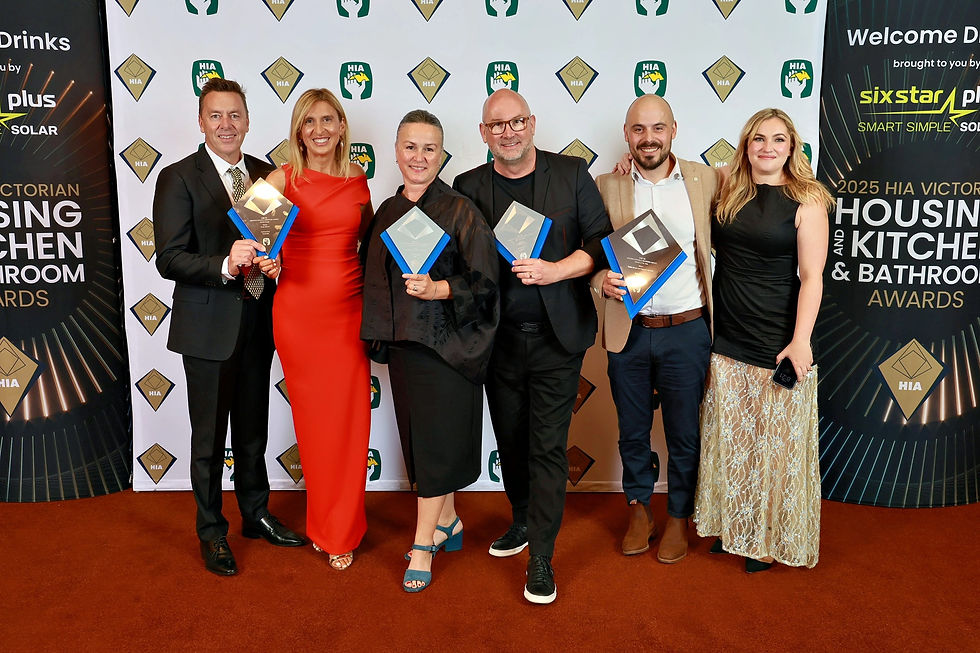
Darren and Simona shared how Studio Minosa uses a more holistic approach to marketing, including social media, newsletters, awards, media coverage, speaking opportunities and referral programs.
They also discussed the different role each platform can play. Instagram can create initial attraction. A newsletter can strengthen an ongoing relationship. Awards can reinforce credibility and provide valuable client validation. Referrals can connect us with people who already have a level of trust in the business.
Their approach is also grounded in consistency and authenticity.
Marketing doesn’t need to feel like a constant sales exercise. It can be an opportunity to tell genuine stories, share the thinking behind the work and build a stronger connection with the people we want to reach.
The goal isn’t simply to post more often. It’s to create a broader, more considered ecosystem around the “why” of the business.
7. Creating a Client Experience That Builds Reputation and Referrals
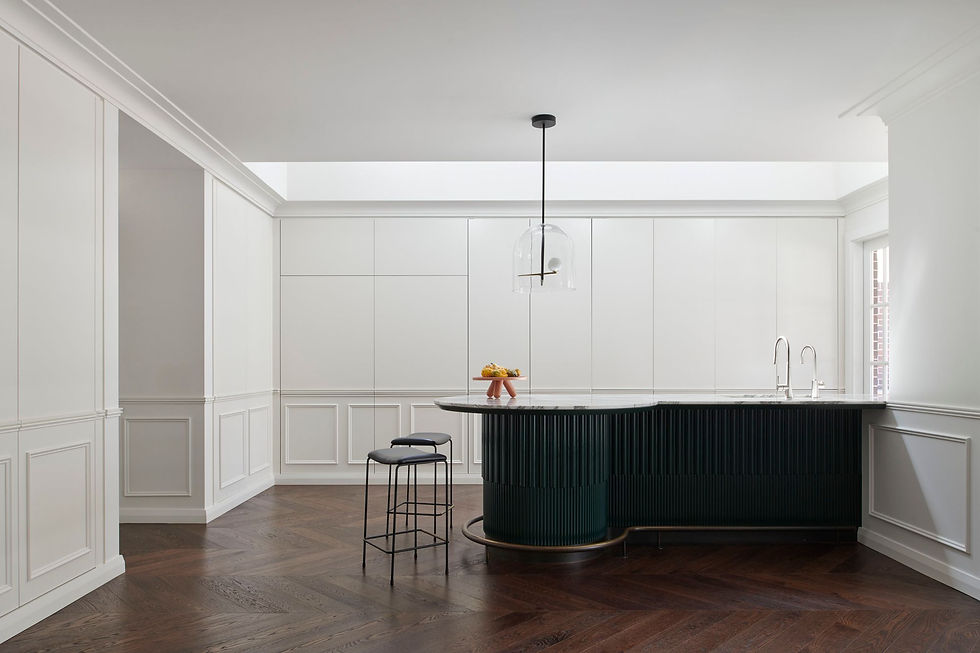
A strong reputation isn’t built through finished photographs alone.
It’s shaped by every interaction a client has with our studios: the way we respond to an initial enquiry, the clarity of our proposal, the structure of our process, the way we communicate challenges and the level of care we bring to the final stages of the project.
Darren and Simona shared that one of the values underpinning Studio Minosa is the idea that every client can become a referrer.
That doesn’t happen by accident. It comes from delivering on promises, managing expectations carefully and creating an experience that clients feel confident recommending to others.
This is where systems and human connection need to work together. A well-run business creates the structure. A thoughtful and personal approach creates the relationship.
When both are working effectively, our clients are far more likely to return for future projects, speak positively about the experience and introduce us to new opportunities.
The Bigger Lesson
The most valuable part of conversations like this is the reminder that a successful design studio is always evolving.
There isn’t one system, one strategy or one marketing channel that solves everything.
Building a stronger business requires us to keep asking better questions.
Where are we losing time? Where are we absorbing additional work? Which processes need to be documented? Which parts of the business rely too heavily on one person? Are our marketing efforts building genuine relationships? Are we creating an experience our clients want to recommend?
Good design may attract attention, but it’s strong processes, commercial awareness, strategic thinking and a considered client experience that create a business with longevity.
A huge thank you to Darren and Simona from Studio Minosa for sharing their experience so openly and generously with our GCP26 members.
To find out more about how our Coaching Programs can upscale your business systems, book a free 20 minute Discovery Call, or email us at hello@thedesigncoach.com.au.



Comments